

New type of battery could outlast EVs and still be used for grid energy storage

Posted on December 09, 2024
There’s a big push underway to increase the lifespan of lithium-ion batteries powering EVs on the road today. By law, in the US, these cells must be able to hold 80% of their original full charge after eight years of operation.
Detecting osteoarthritis before patients need joint replacement

Posted on November 29, 2024
An imaging technique currently available only at synchrotrons like the Canadian Light Source at the University of Saskatchewan (USask) could one day enable doctors to detect osteoarthritis while patients can still be treated with medication – before they require joint replacement -- thanks to research by USask scientist Brian Eames and colleagues.
Finding solutions to problem of clumping in potash
Posted on July 24, 2024
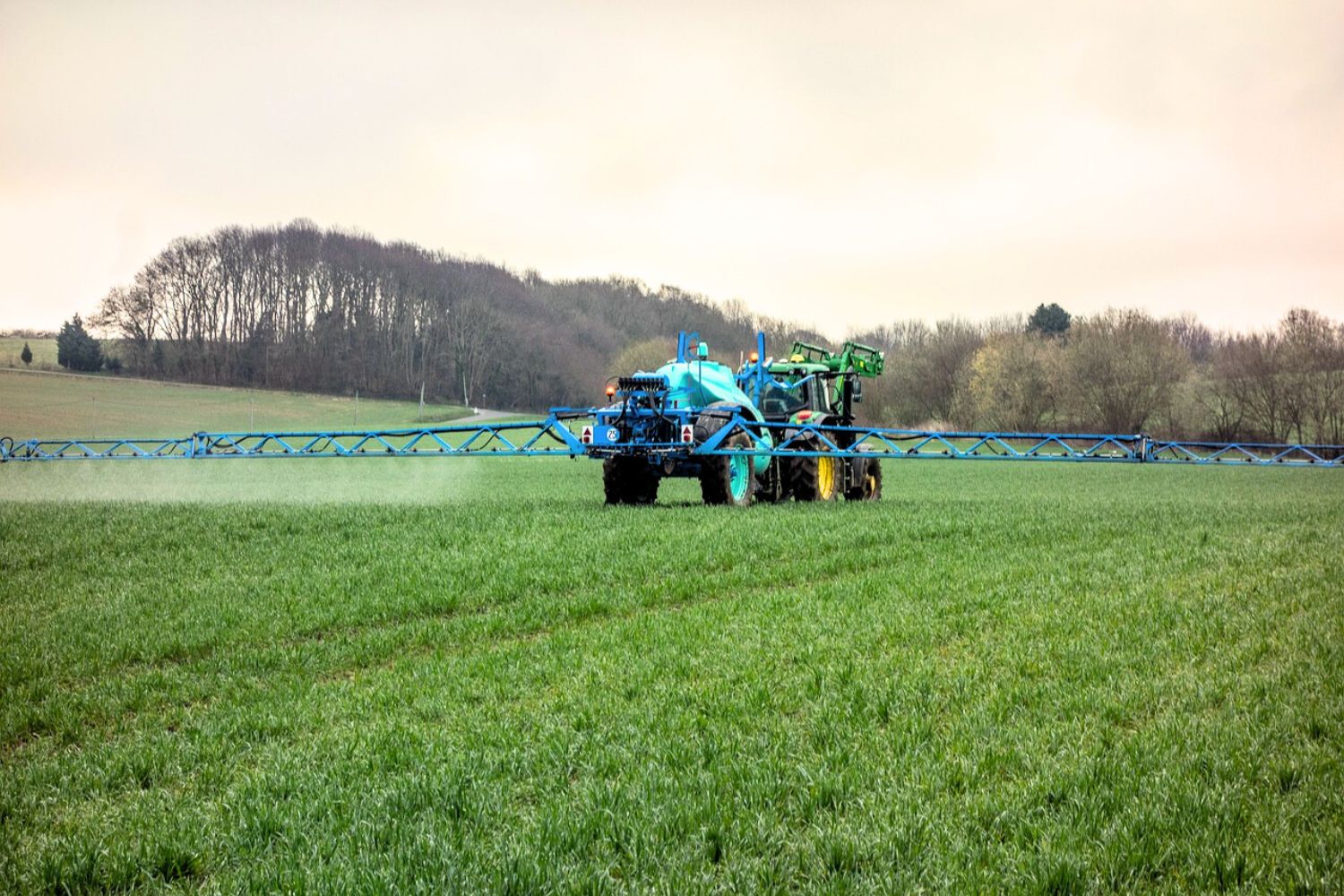
When powdered products like sugar, salt, or instant coffee are exposed to moisture, they form clumps and become much harder to use. The same thing happens to potash-based fertilizers and other potash products, where clumping can lead to industrial and agricultural waste. That’s why Saskatchewan researchers are taking a closer look at studying why clumps form in powdered products and what can be done to avoid this.
Millet research a step towards more acres
Posted on June 13, 2024
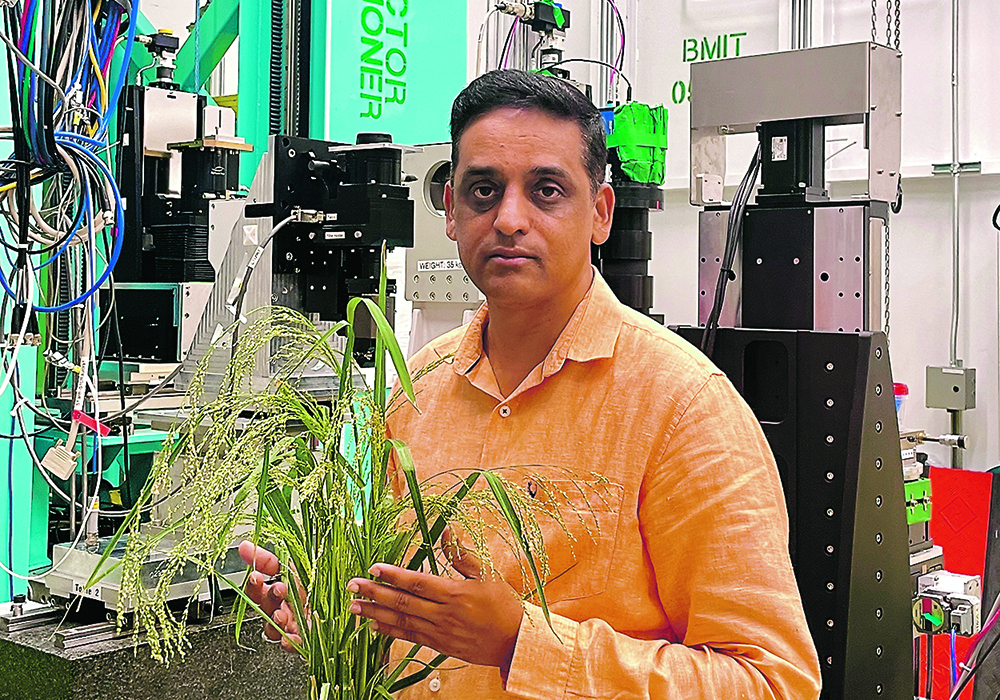
New research at Agriculture and Agri-Food Canada and the Canadian Light Source at the University of Saskatchewan shows millet has promise for Saskatchewan farmers. The crop is nutritionally dense and resilient in dry conditions. Raju Soolanayakanahally of AAFC and his colleagues discovered how and where millet stores nutrients.
Ensuring we have safe eggs to eat
Posted on June 06, 2024
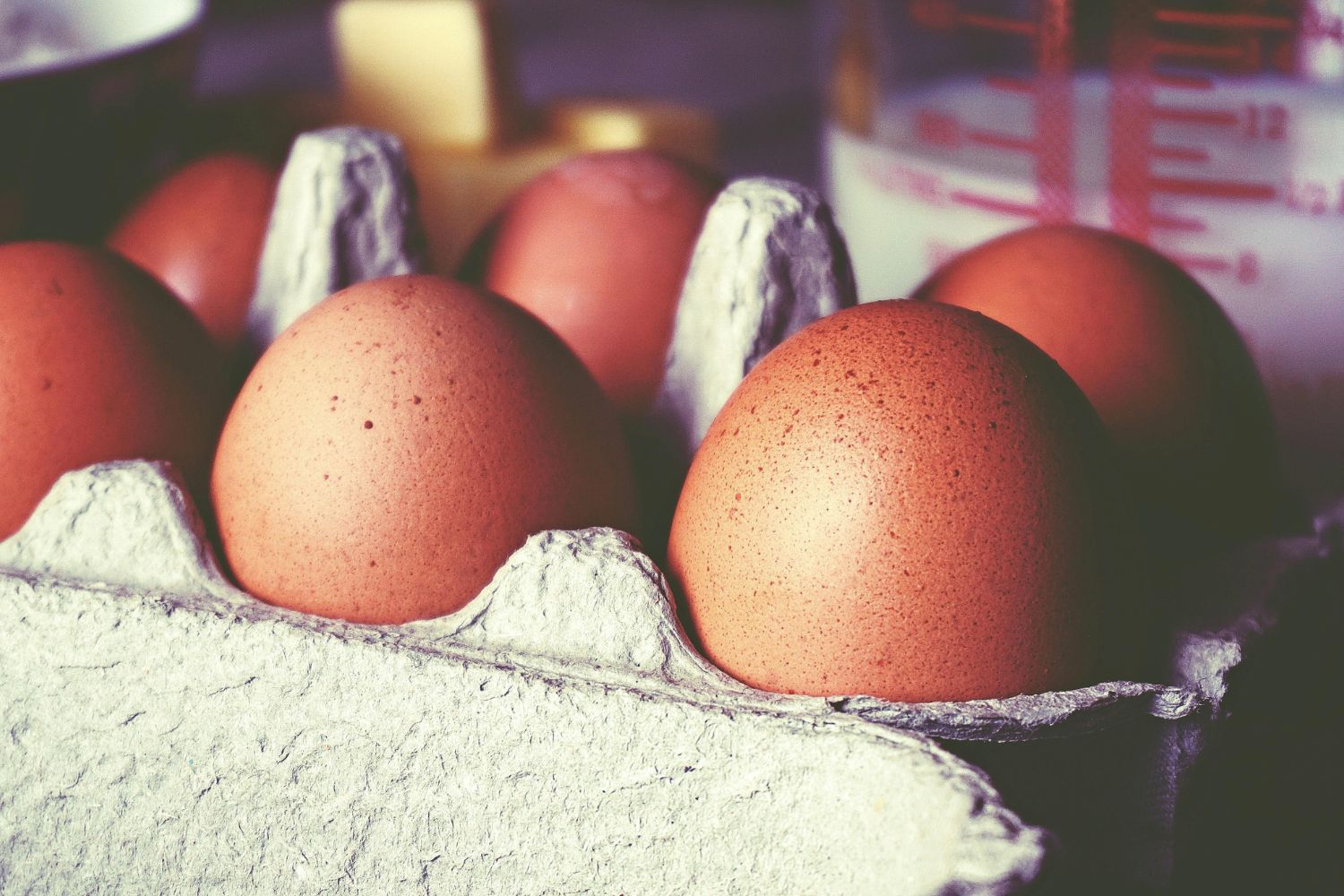
Scientists with the University of Saskatchewan (USask) used the Canadian Light Source (CLS) at USask to study a promising new technique for decontaminating eggs and recently published their findings.
USask researchers are looking to address the availability of tissues with tissue engineering technology
Posted on May 15, 2024
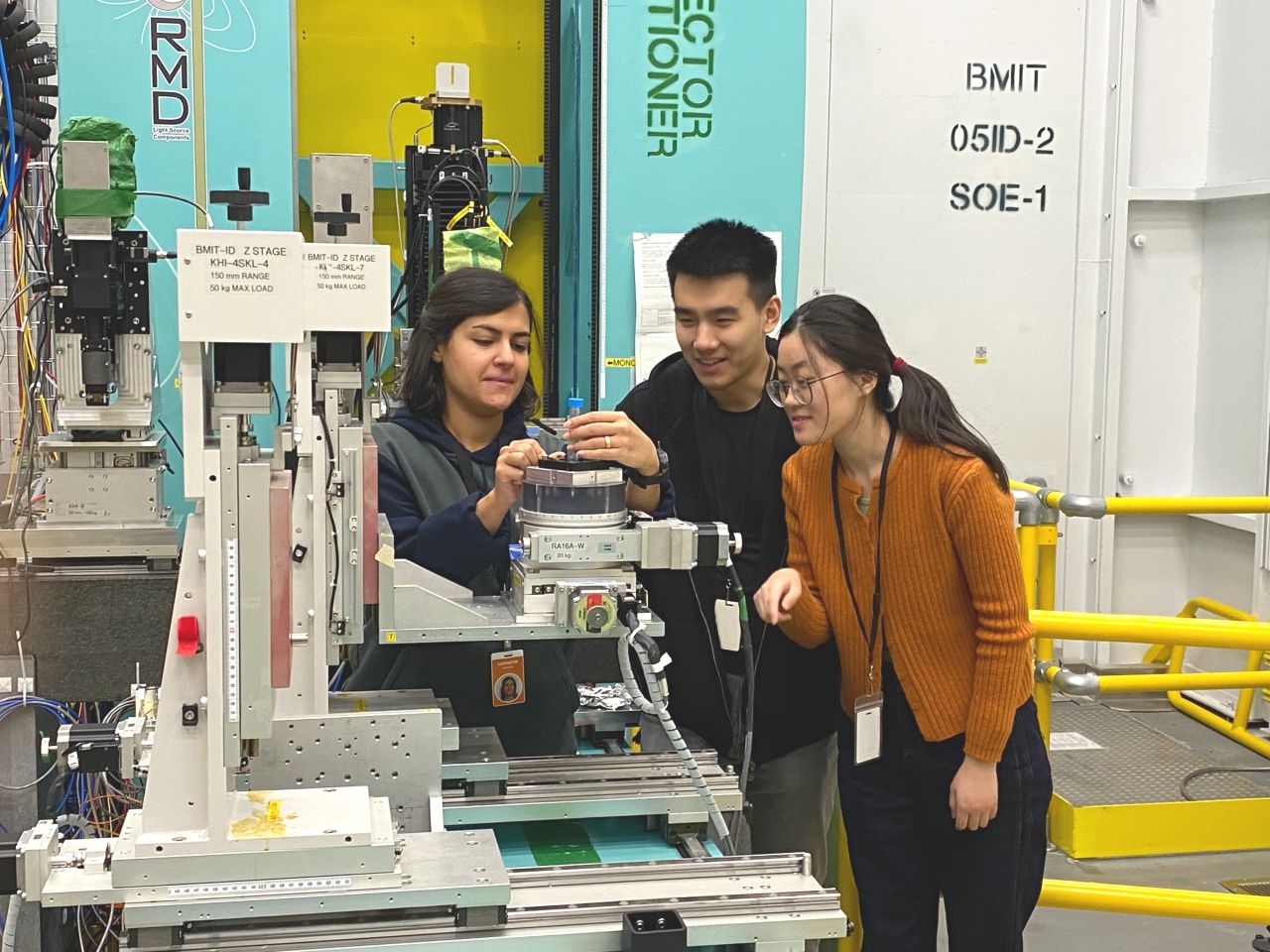
For the many people who suffer from severe tissue or organ damage, transplantation is the gold standard of treatment methods, but the availability of tissue and organ transplants is limited and wait lists can be long. Dr. Daniel Chen, PhD student Xiaoman Duan, and MSc student Naitao Li, researchers in the University of Saskatchewan’s Division of Biomedical Engineering in the Department of Mechanical Engineering (USask College of Engineering), are looking to address this issue using tissue engineering technology. By creating tissue and organ substitutes, this process could help permanently solve the problem of shortages of donor tissues and organs. The USask researchers have used the BMIT-ID beamline at the CLS to look at 3D-printed hydrogel structures called scaffolds, which are a promising advance in tissue engineering. These scaffolds can be created with properties that mimic a body’s natural tissue extracellular matrix, providing a platform for cell growth and oxygen and nutrient transportation within healing tissues or organs. The researchers are specifically investigating how the hydrogel scaffolds help the regeneration process of damaged nerve tissue, and how they degrade. A better understanding of how hydrogel scaffolds and nerve tissue interact will provide researchers with improved success in clinical treatment of damaged tissues and organs.
Nature’s defense against changing climate
Posted on January 09, 2024
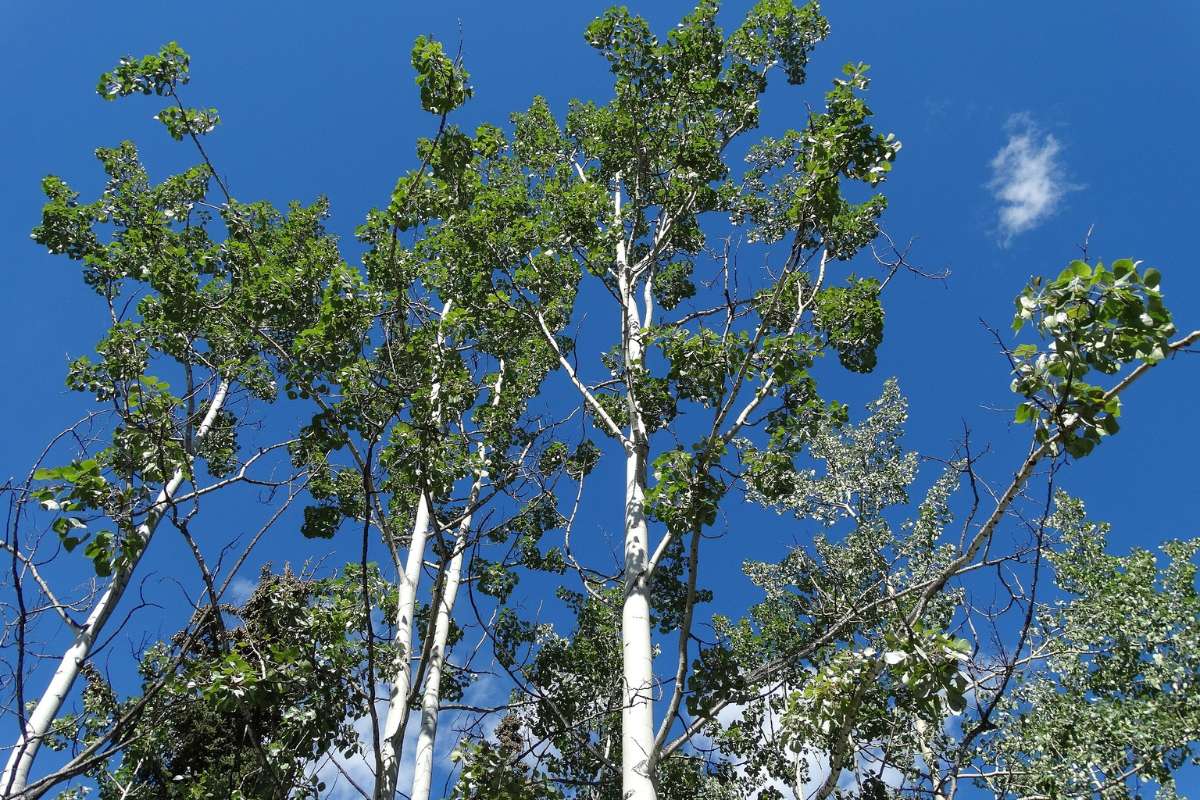
Balsam poplars are a medium-sized deciduous tree commonly planted as a wind shelter or for alley cropping, to create lanes for growing agricultural crops. Because of their economic value for these applications – and considering warmer, drier conditions brought on by climate change -- plant breeders are interested in coming up with new hybrid types that are even more resistant to drought.