

Unlocking even more value in Canada’s canola industry

Posted on December 15, 2025
Canada’s canola industry generates $43.7 billion in economic activity each year, according to the Canola Council of Canada. Canola oil is currently the primary output, but researchers from the University of Saskatchewan (USask) are exploring new ways to get even more value from this hybrid plant developed in the 1970s. Runrong Yin is a graduate student in USask’s College of Engineering; Edgar Martinez Soberanes conducted this research as part of his PhD (engineering) and now works in USask’s College of Agriculture and Bioresources. They used the Canadian Light Source (CLS) at USask to analyze a new processing technique that could enable companies to make better use of all parts of canola seeds.
New research reveals tiny lead fragments in hunted meat pose health risk
Posted on November 27, 2025
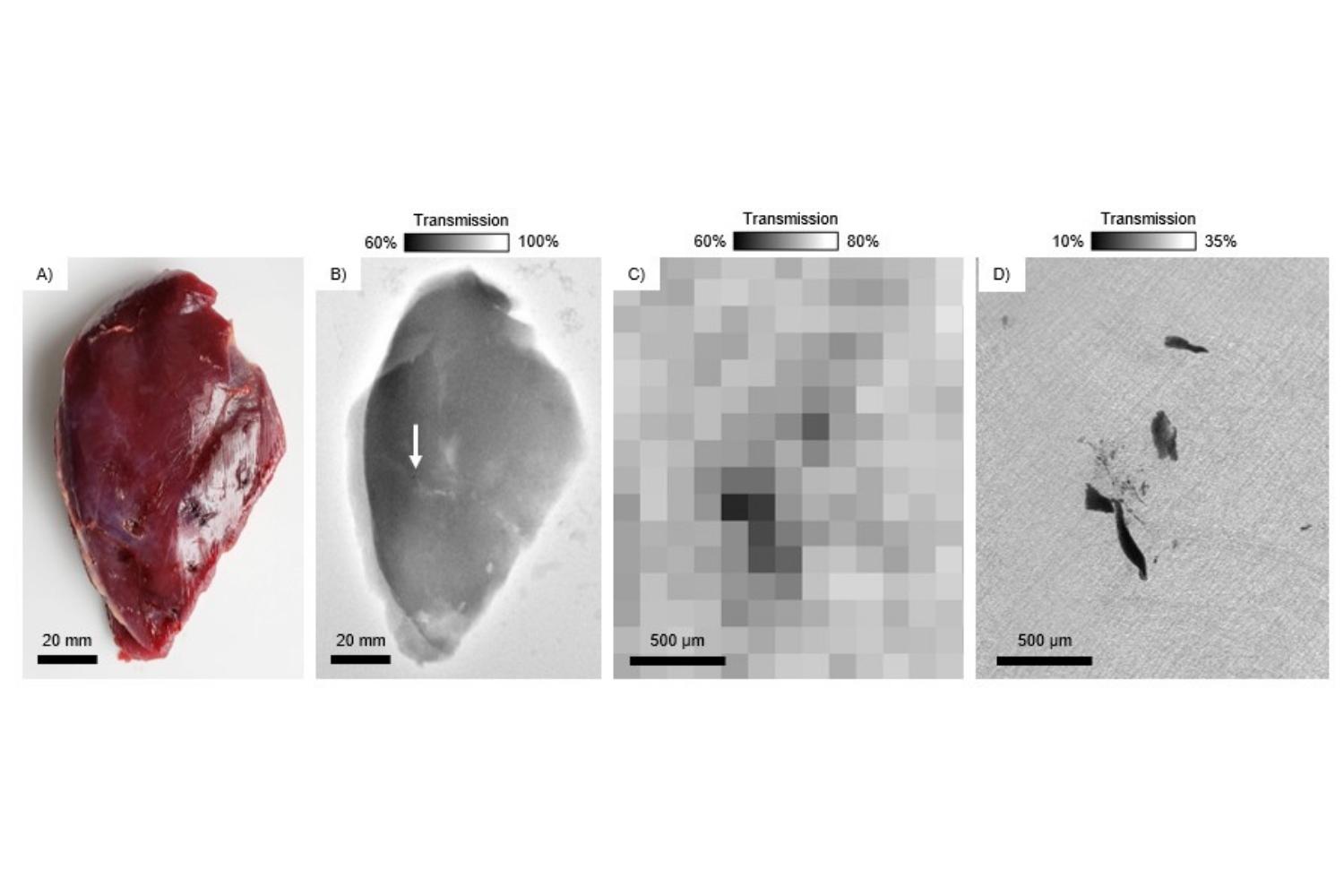
This fall, when Adam Leontowich headed to southeast Saskatchewan to hunt whitetailed deer and ruffed grouse, he once again opted for lead-free ammunition -- cartridges with copper bullets for his .308 rifle and shells with steel pellets for his 12-gauge shotgun. It’s the fourth hunting season that he’s done so.
BMIT eNews | Fall 2025
Posted on October 08, 2025
-
New BMIT Team - Updates to the Beamlines - CLS User Community Forum - 500 Publications and Counting! - Expressions of Interest - Around the Beamlines - Pictures of the Season
Read the full newsletter > bmit-enews-fall-2025.pdf
3D-printed lungs could improve disease prevention and treatment

Posted on October 08, 2025
Lung diseases like tuberculosis and cystic fibrosis can be difficult to treat. In part, that’s because the two-dimensional models researchers use to study the diseases don’t accurately reflect the shape of human lungs -- and animal models don’t behave like humans do when they encounter disease. University of Saskatchewan (USask) researchers from the Vaccine and Infectious Disease Organization (VIDO) and the College of Engineering are working to build a better model.
Could zebrafish hold clues to detecting, preventing scoliosis in children and teens?

Posted on October 06, 2025
Dr. Brian Ciruna had no intention of studying scoliosis, a condition that causes unnatural curvature of the spine. However, the unexpected discovery about a decade ago that zebrafish also develop curved spines left him wondering what was causing the spine to bend and whether there was some connection to the human form of the disease. It turns out that this small, minnow-like fish has a lot to tell researchers about a condition that affects three to four percent of children and young teens in Canada. Despite its prevalence, we know very little about the underlying causes of scoliosis in humans, says Ciruna, Senior Scientist and Head of the Developmental and Stem Cell Biology Program at the Hospital for Sick Children (SickKids) in Toronto and professor in the Department of Molecular Genetics at the University of Toronto. Zebrafish, it turns out, have human-like backbones, making them an excellent model for this research.
New tiny prehistoric fish species unlocks origins of catfish, carp
Posted on October 02, 2025
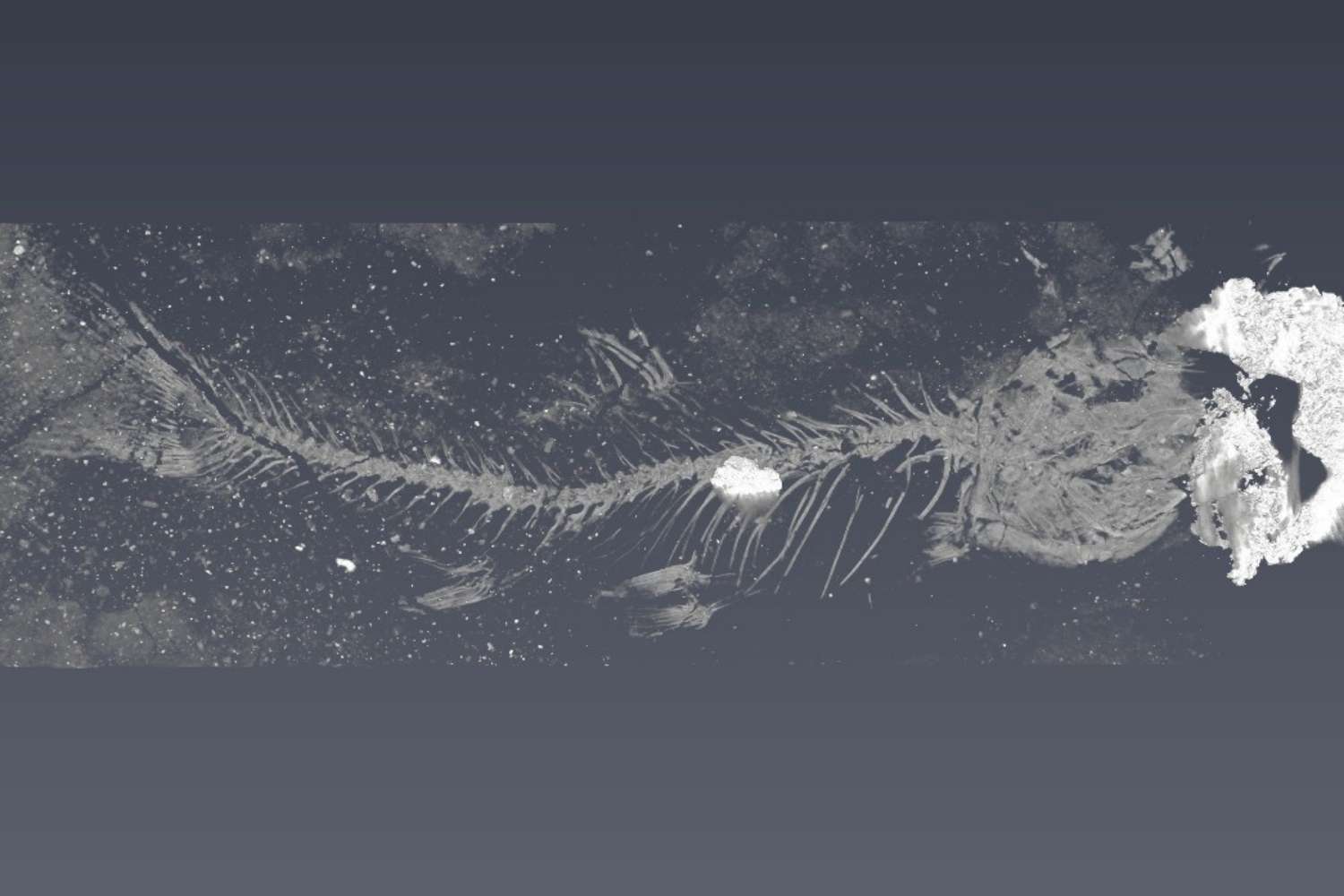
The fossil of a tiny fish found in southwestern Alberta provides new insight into the origin and evolution of otophysans, the supergroup of fish that includes catfish, carp and tetras, which today account for two-thirds of all freshwater species. The specimen, studied by researchers at Western University, the Royal Tyrrell Museum of Palaeontology and international collaborators, is a skeleton of a fish about 5 cm long from the Late Cretaceous period (the same time period of the iconic Tyrannosaurus Rex, about 70 million to 66 million years ago.) A new kind of fish entirely, it is now named Acronichthys maccognoi. A study detailing the discovery was published today in the high impact journal, Science.
Save The Date | CLS User Community Forum (October 16-24, 2025)
Posted on September 22, 2025
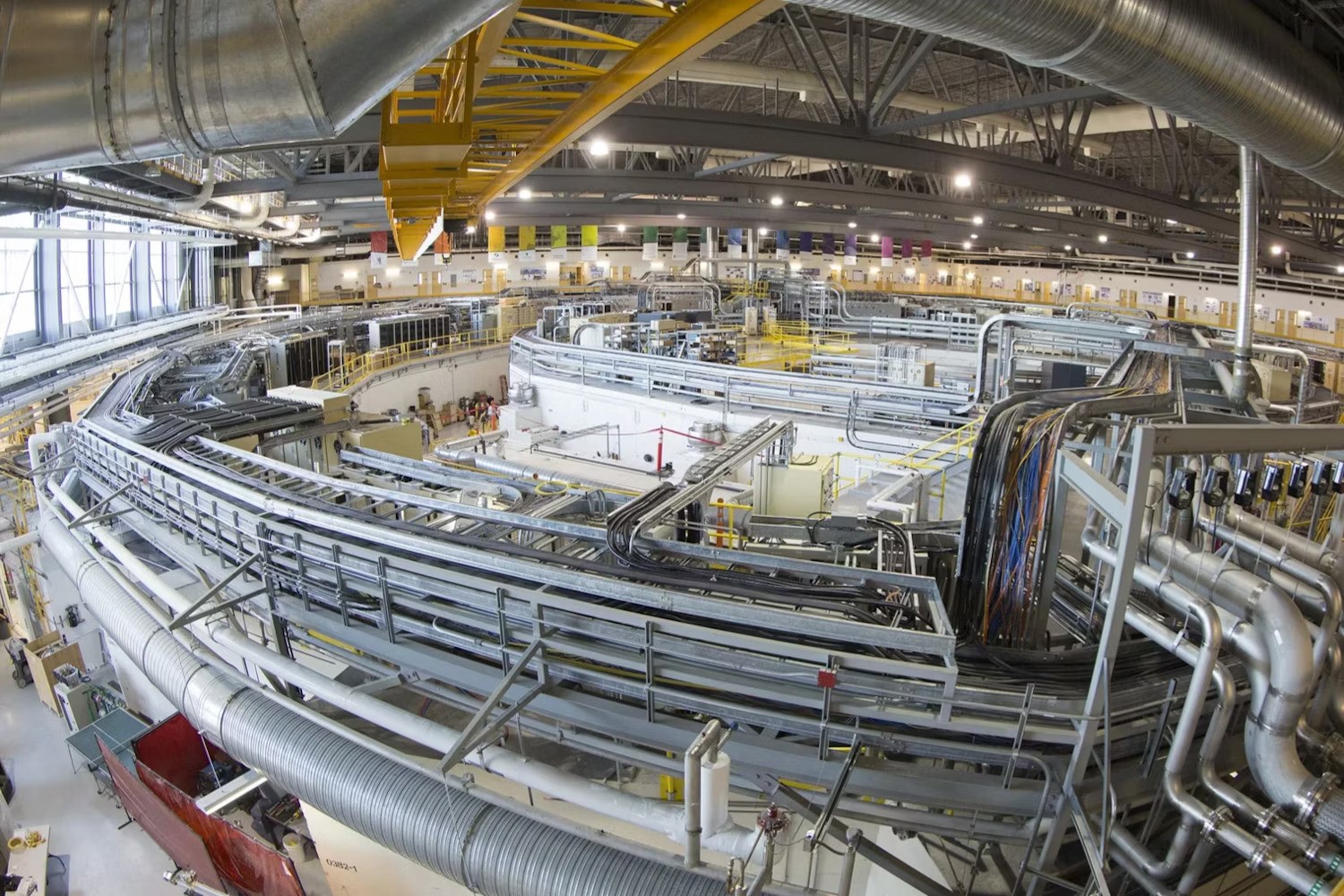
After a challenging year of limited operations, the CLS User Community Forum offers a space to reconnect, share updates, and look ahead together. This one-day hybrid event will bring users, staff, and partners together for open dialogue about the facility’s status, future planning, and the science that continues to thrive across our community. In-person activities will be held in Convocation Hall at the University of Saskatchewan, with all sessions live-streamed for virtual participants.
Fusarium head blight mycotoxin detector in the works
Posted on September 20, 2025
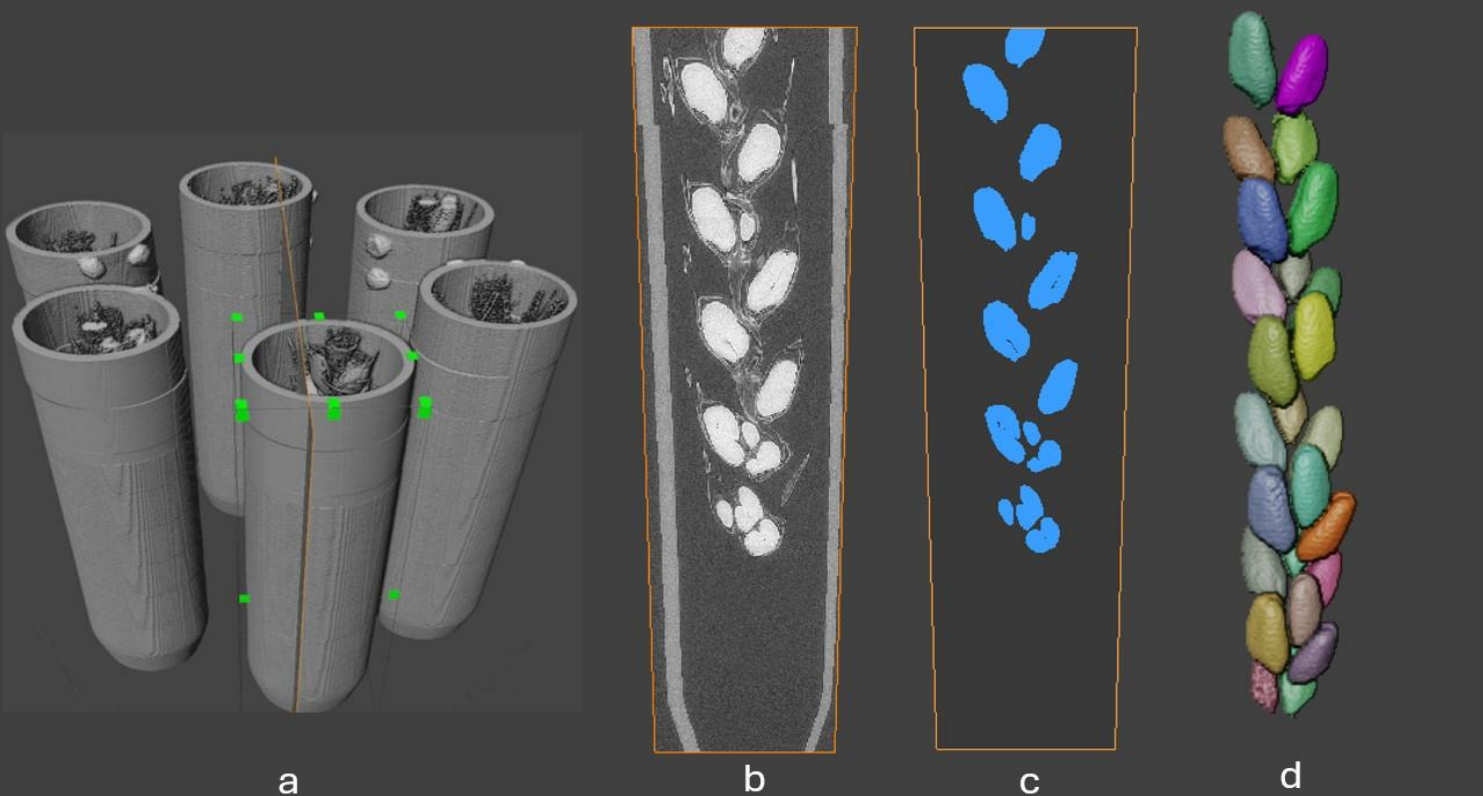
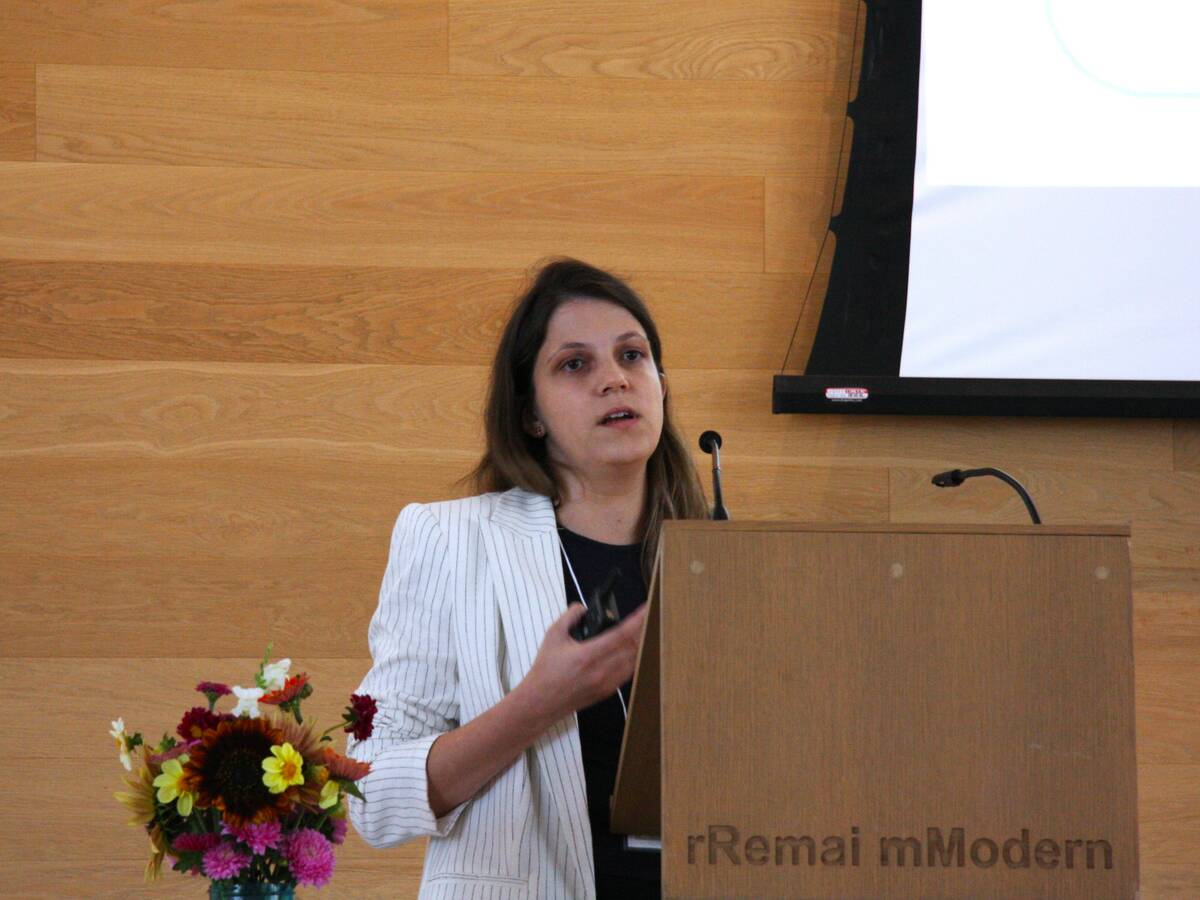
Fusarium head blight (FHB) and the mycotoxin it causes, especially deoxynivalenol (DON), can be a serious economic detriment to producers. It reduces yield and grain grade, as well as contaminates the grain, making it dangerous for human and animal consumption. Sheila Andrade, a PhD student at the University of Saskatchewan, has been working on developing a method of detection to ease the struggles of producers, agronomists and industry. The objective of her work has been to employ synchrotron-based x-ray phase-contrast computed tomograph at the Canadian Light Source (CLS) to measure the morphological parameters of Fusarium-infected wheat kernels, to correlate those parameters with DON contamination, and also compare the morphological FHB symptom differences between durum and bread wheat.
Toward cleaner oil sands processing
Posted on September 11, 2025
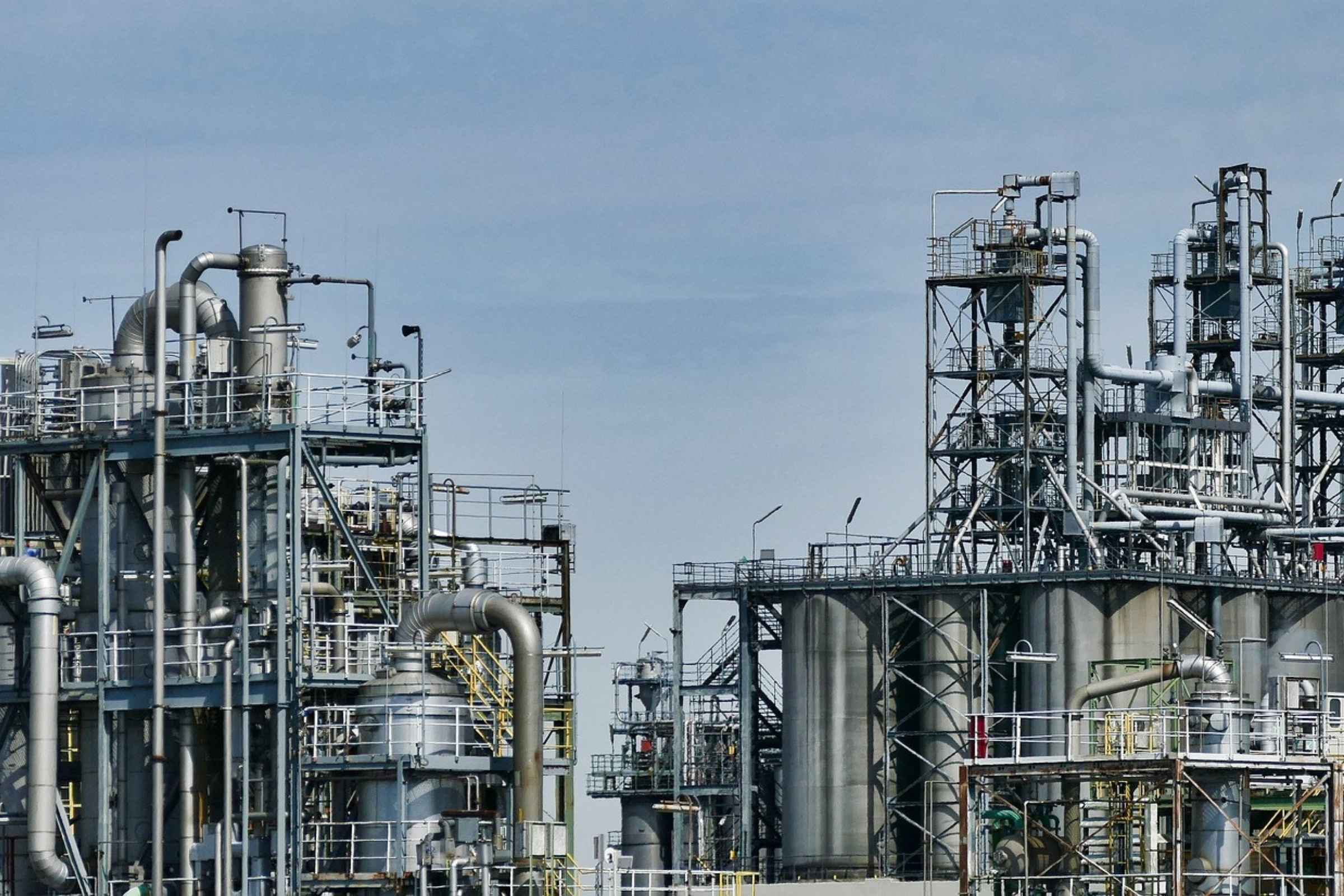
Canada’s oil sands are an important source of energy and economic activity, but the bitumen that is extracted there takes a lot of processing and cleaning before it can be transported to refineries to be converted into usable oil.
Greening the production of cement

Posted on August 21, 2025
In Canada, it can seem like there are two seasons: winter and construction. Whether it’s repairing sidewalks and streets, or building new homes and apartments, much of this work uses cement – the key ingredient of concrete.
Scotty’s rib: University of Regina PhD student examines preserved blood vessels in famous fossil
Posted on July 04, 2025
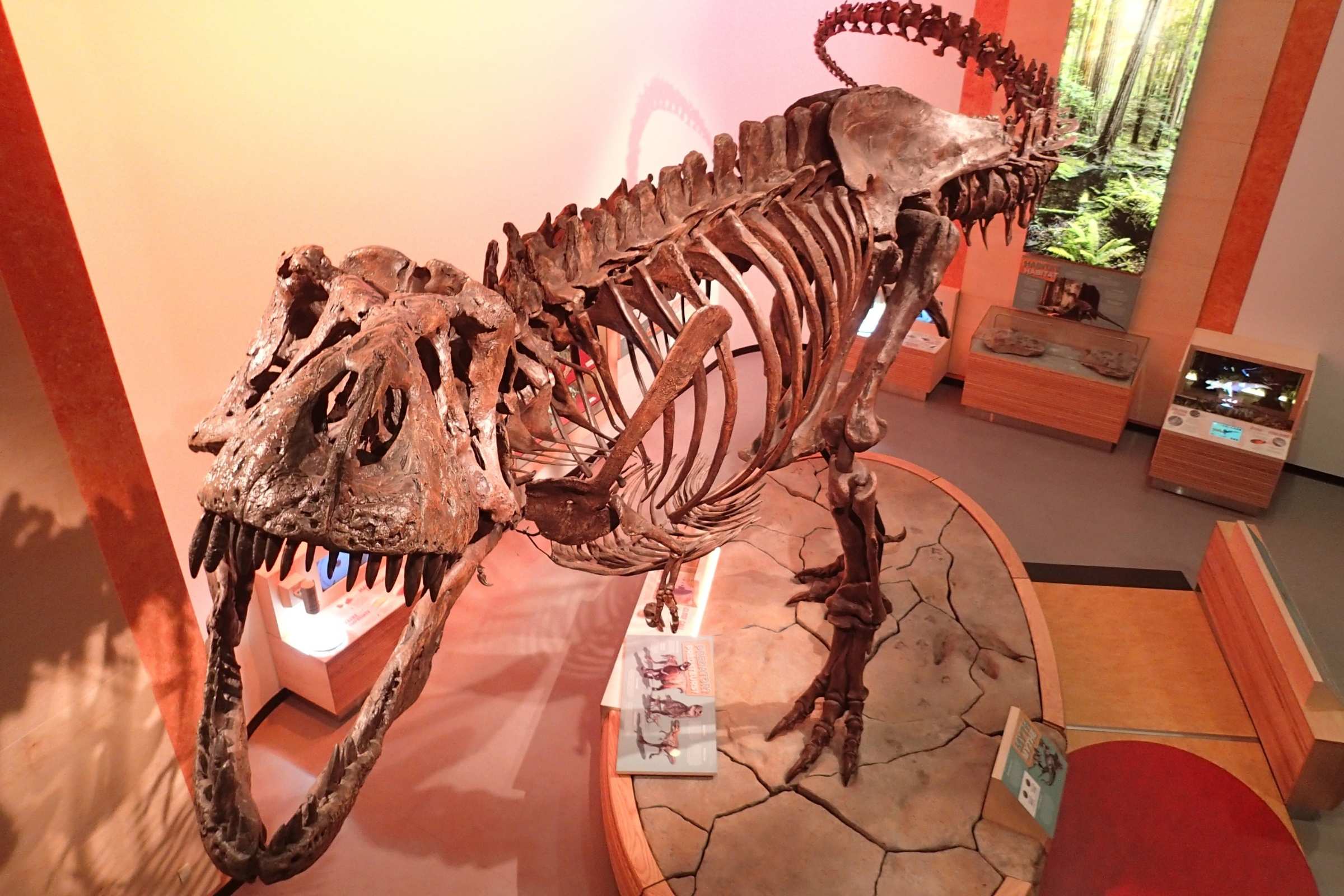
A University of Regina research team made some dino-mite discoveries about how dinosaurs may have healed from injuries when they examined the preserved blood vessel structures inside a rib bone from Scotty, the famous Tyrannosaurus rex unearthed in Saskatchewan in the 1990s. Their findings were recently published in Scientific Reports, an open-access journal that publishes original research from across the natural sciences, psychology, medicine, and engineering.
Better heating method makes legumes easier to digest
Posted on June 24, 2025
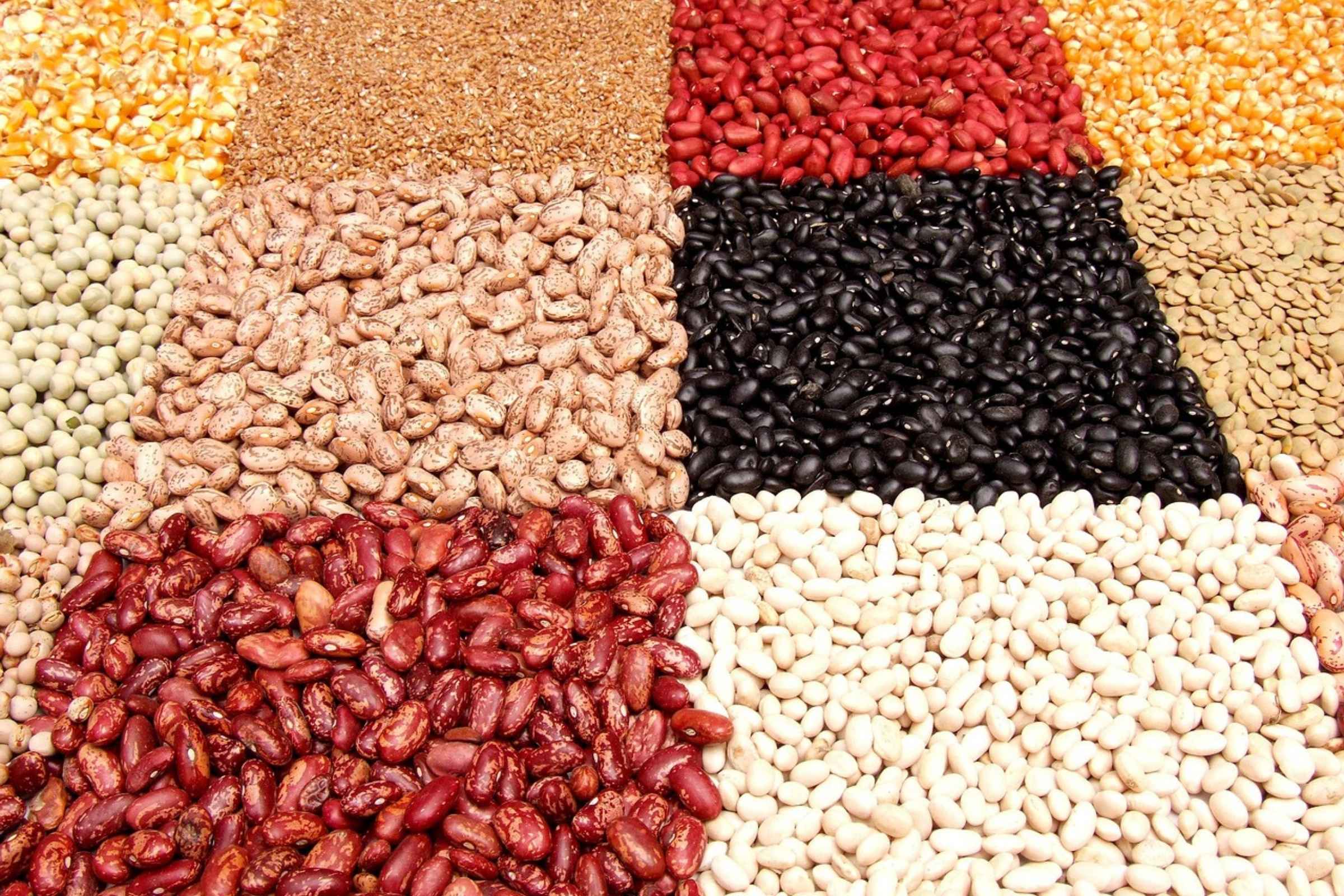
While they have been part of our human diet for centuries, legumes like peas and beans are ultimately seeds for the next generation of plants. To protect themselves from being eaten by animals and insects, they contain “antinutrients” that are hard for animals – and humans – to digest.
Plant leaves inspire design of improved fuel cell

Posted on April 22, 2025
Hydrogen fuel cells convert hydrogen and oxygen into electricity, heat, and water. Because this conversion process doesn’t generate any carbon emissions, fuel cells are seen as a valuable source of green energy that could be key in addressing climate change.
Sask. researchers study effects of hydrogen on steel used in pipelines
Posted on April 02, 2025
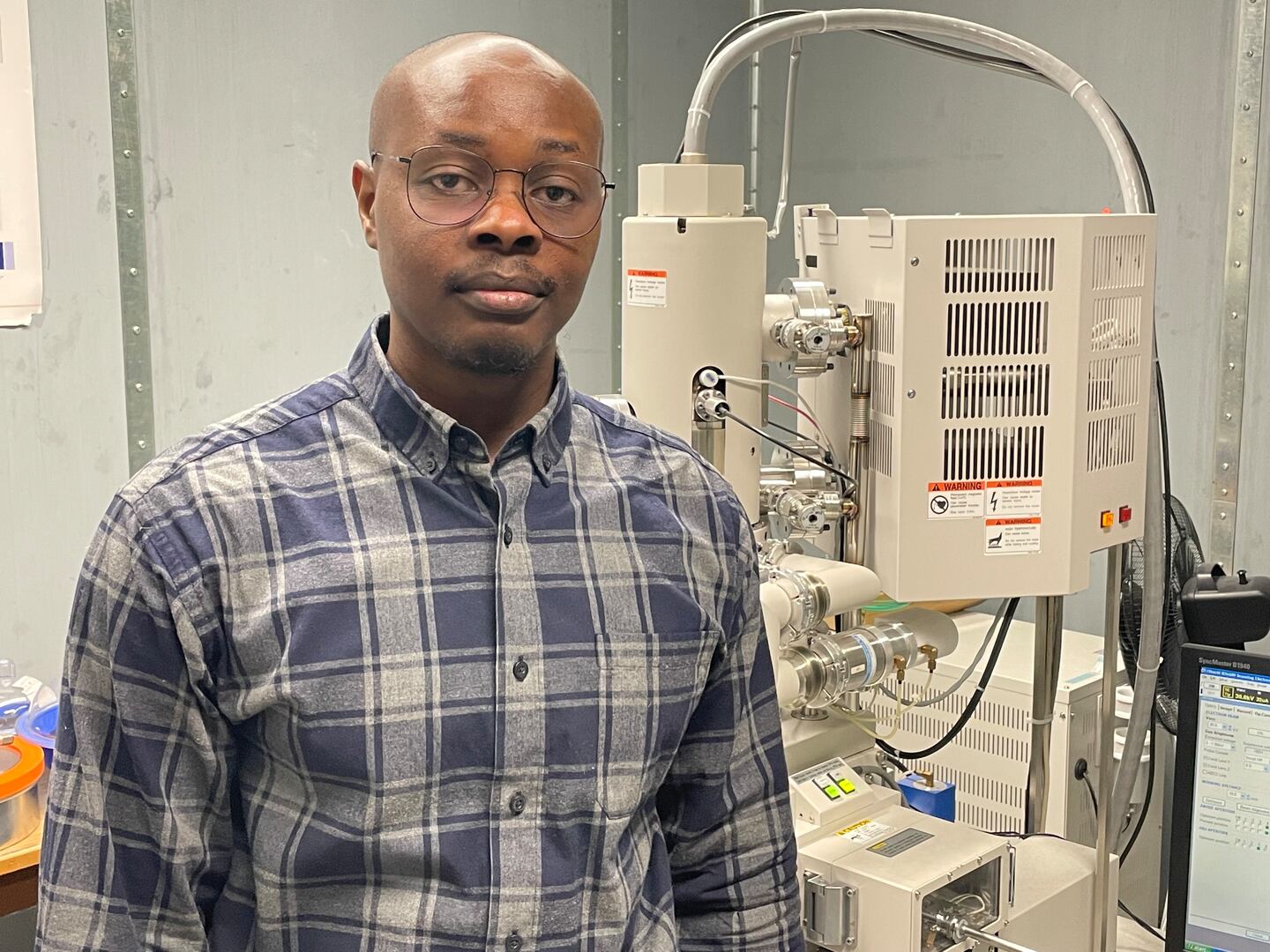
Researchers at the University of Saskatchewan are learning how existing natural gas pipelines could transport hydrogen in the future. Hydrogen has been gaining popularity worldwide as a potential clean, sustainable energy source. But in order to meet high energy demands like utility infrastructure, large volumes of hydrogen would need to be transported by pipelines, either existing natural gas or dedicated hydrogen pipelines.
Improving steel pipelines for safe transport of hydrogen
Posted on March 28, 2025
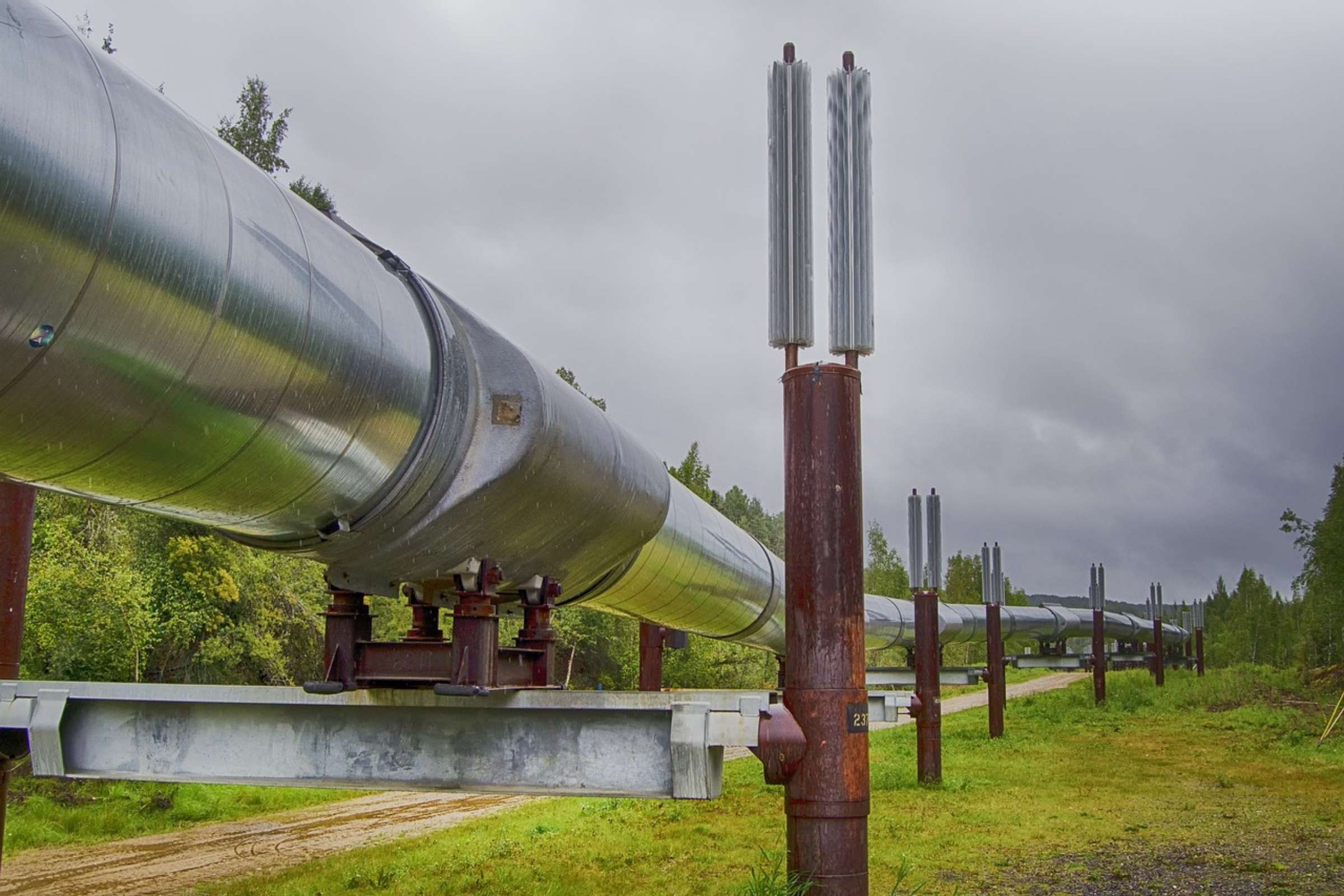
Hydrogen is increasingly gaining attention as a promising energy source for a cleaner, more sustainable future. Using hydrogen to meet the energy demands for large-scale applications such as utility infrastructure will require transporting large volumes via existing pipelines designed for natural gas.