
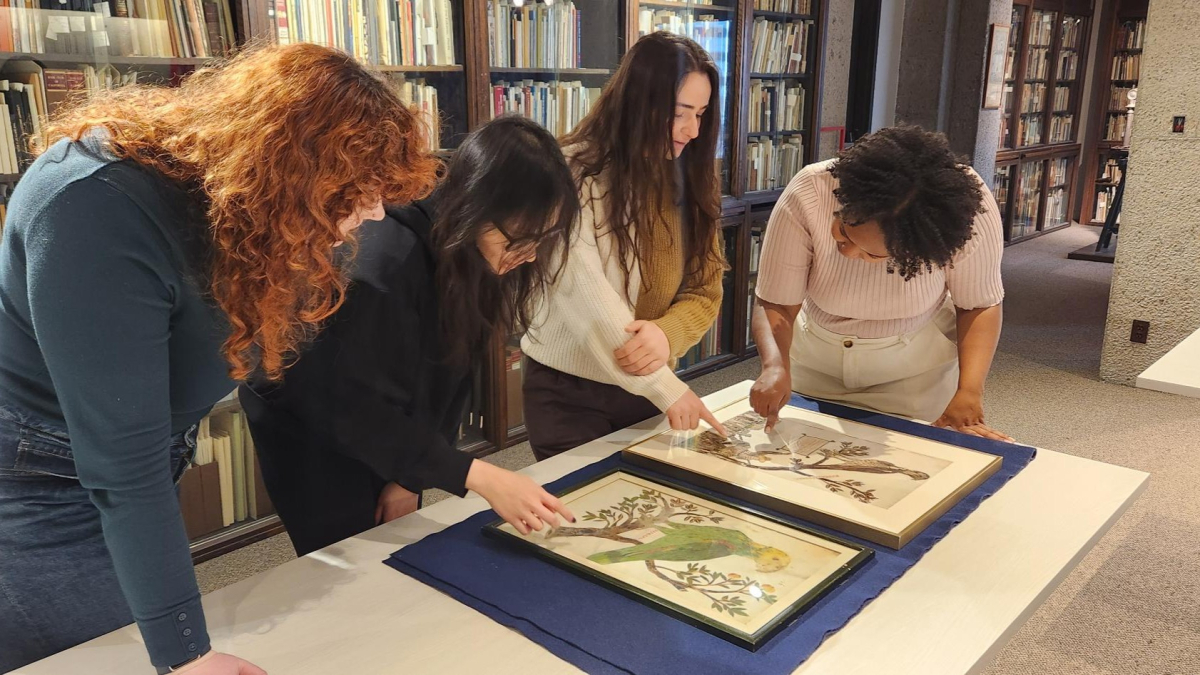
History, art and science join forces to unlock the mysteries of a 400-year-old book
A major grant will enable McGill University Libraries to delve into the Libro di Piume, or Feather Book, an exceptional artifact created in Italy more than 400 years ago. This unique object contains 156 illustrations made from feathers and other organic materials, including approximately 100 bird depictions incorporating, beaks, feathers and feet. A four-year Social Sciences and Humanities Research Council (SSHRC) Insight Grant of $479,890 will fund the project, which will also benefit from partnerships with the Research Institute of the McGill University Health Centre, the Canadian Light Source and the University of Saskatchewan.
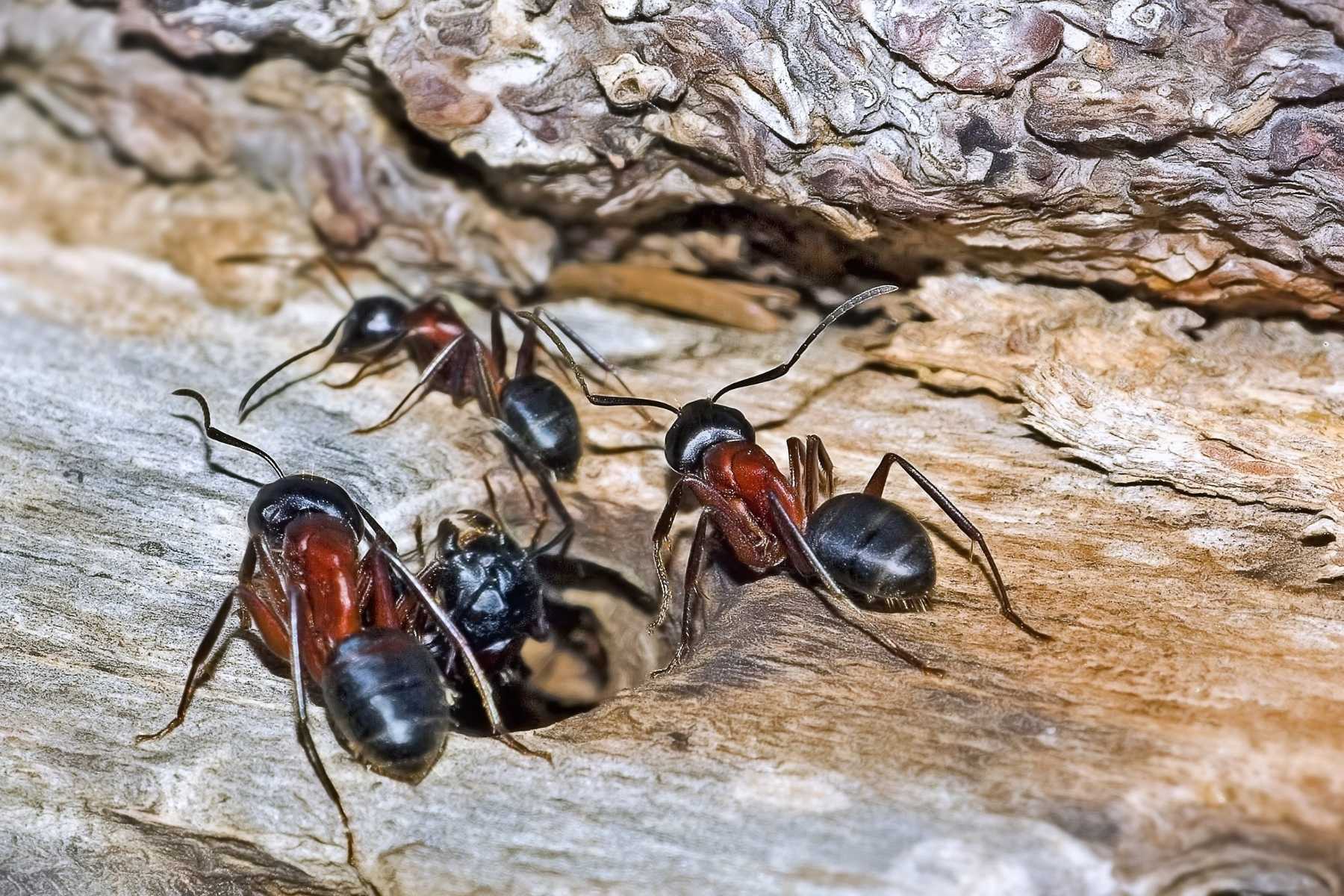
Tiny fossils reveal big insights about ant ancestors
Two tiny ant fossils recovered in southern Saskatchewan are helping scientists better understand the evolutionary history of modern-day ants. Ant fossils from between 72 and 56 million years ago are rare. What happened to insects such as ants during this period which saw mass extinction wipe out all non-bird dinosaurs? How did that event reshape their world? As part of her master’s degree, Elyssa Loewen -- in collaboration with researchers Caelan Libke (University of Regina) and Dr. Ryan McKellar (Royal Saskatchewan Museum) -- used the Canadian Light Source (CLS) at the University of Saskatchewan to analyze two partial ant fossils. One fossil preserved part of an ant’s head, the other a partial body. Both came from the Big Muddy amber deposit, a site that preserves sticky tree resin from an ancient swamp forest that hardened over millions of years into amber, preserving within it remarkably detailed insects, plants, and clues about the environment millions of years ago.
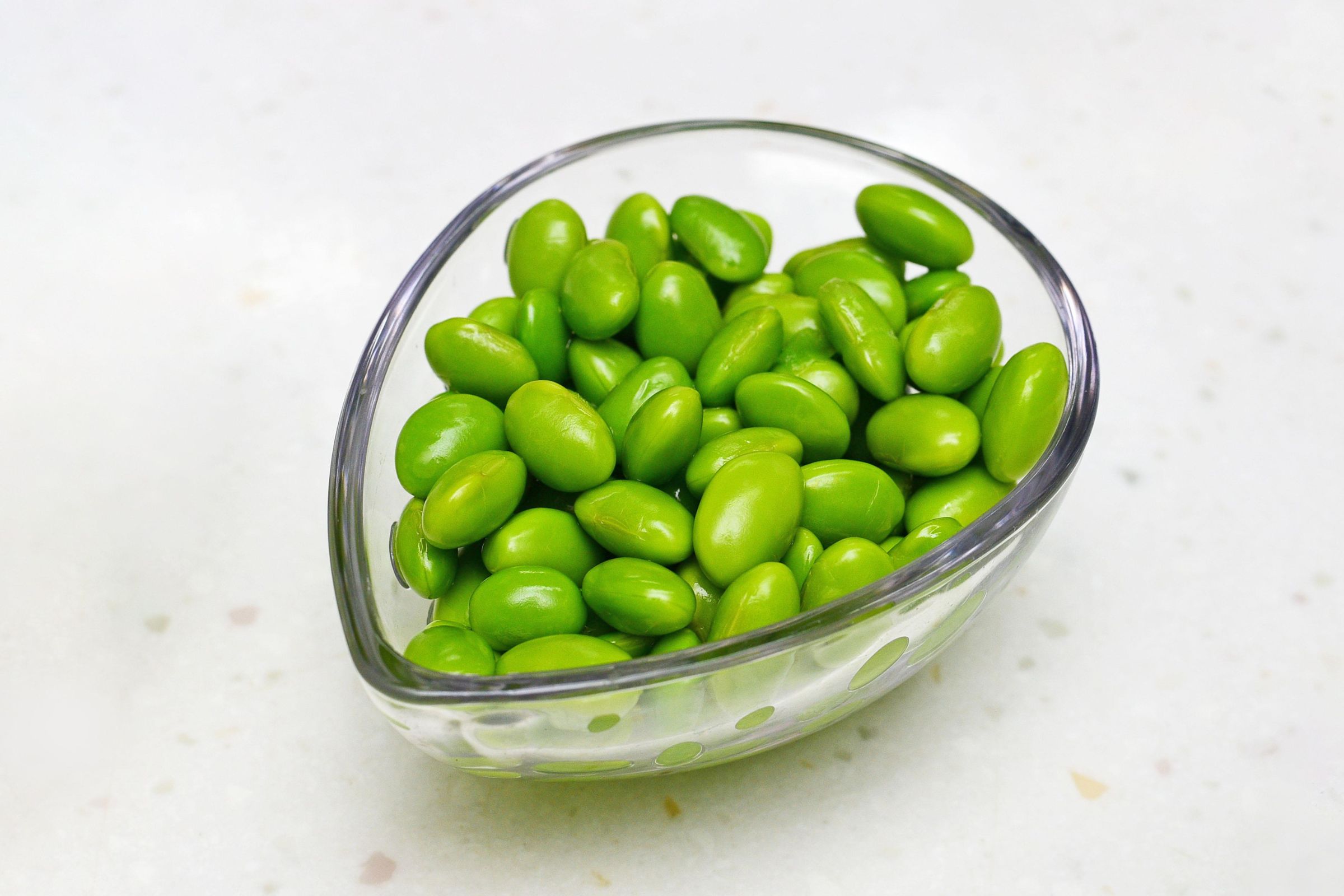
Boosting soybean protein: The essential role of zinc and sulfur in sustainable crop production
Soybean is a critical element of the global food supply: Between its use for animal feed and human consumption, it accounts for roughly two-thirds of plant-based protein meal output world-wide. Canada is a global leader in sustainable soybean production, with 70% of its crop, one of the country’s top three by value, exported annually. According to Brazilian scientist Gabriel Montanha, soy production has “exploded” in recent decades to meet demand – but there hasn’t been a corresponding increase in soybean’s protein content. Montanha and colleagues used the Canadian Light Source (CLS) at the University of Saskatchewan (USask), and Brazil’s National Synchrotron Light Laboratory (LNLS) to determine if the mineral content of soybean seeds could influence their nutritional content. With the help of synchrotron imaging, the researchers investigated the location of proteins and minerals inside four types of soybean seeds; they found that certain minerals appear to play a crucial role in protein formation.
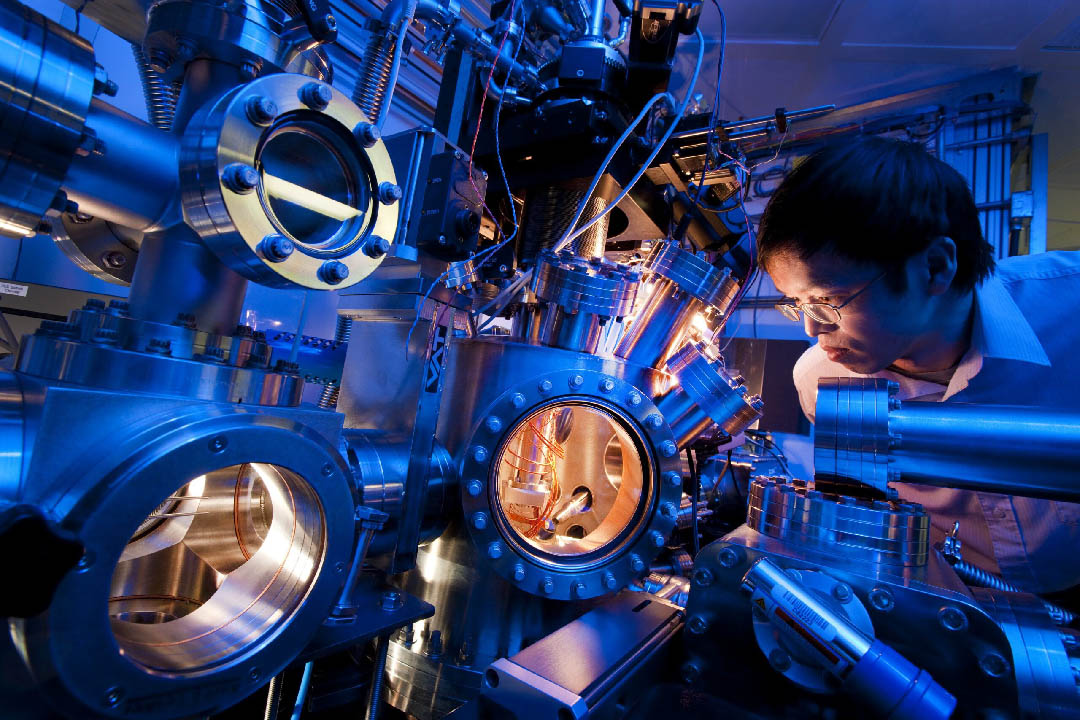
Innovation Saskatchewan supports critical upgrade at Canadian Light Source
Innovation Saskatchewan is committing $3 million through the Innovation & Science Fund (ISF) to support a major technology upgrade at the Canadian Light Source (CLS) at the University of Saskatchewan (USask), helping strengthen Saskatchewan’s position as a global leader in research and innovation. The funding will support the installation of a state-of-the-art solid-state amplifier (SSA), an essential component of the particle accelerator at the heart of the CLS, powering all 22 synchrotron beamlines. The upgrade will enhance the facility’s performance, reliability and energy efficiency, strengthening the advanced research capabilities that researchers and industry rely on to drive innovation and discovery.
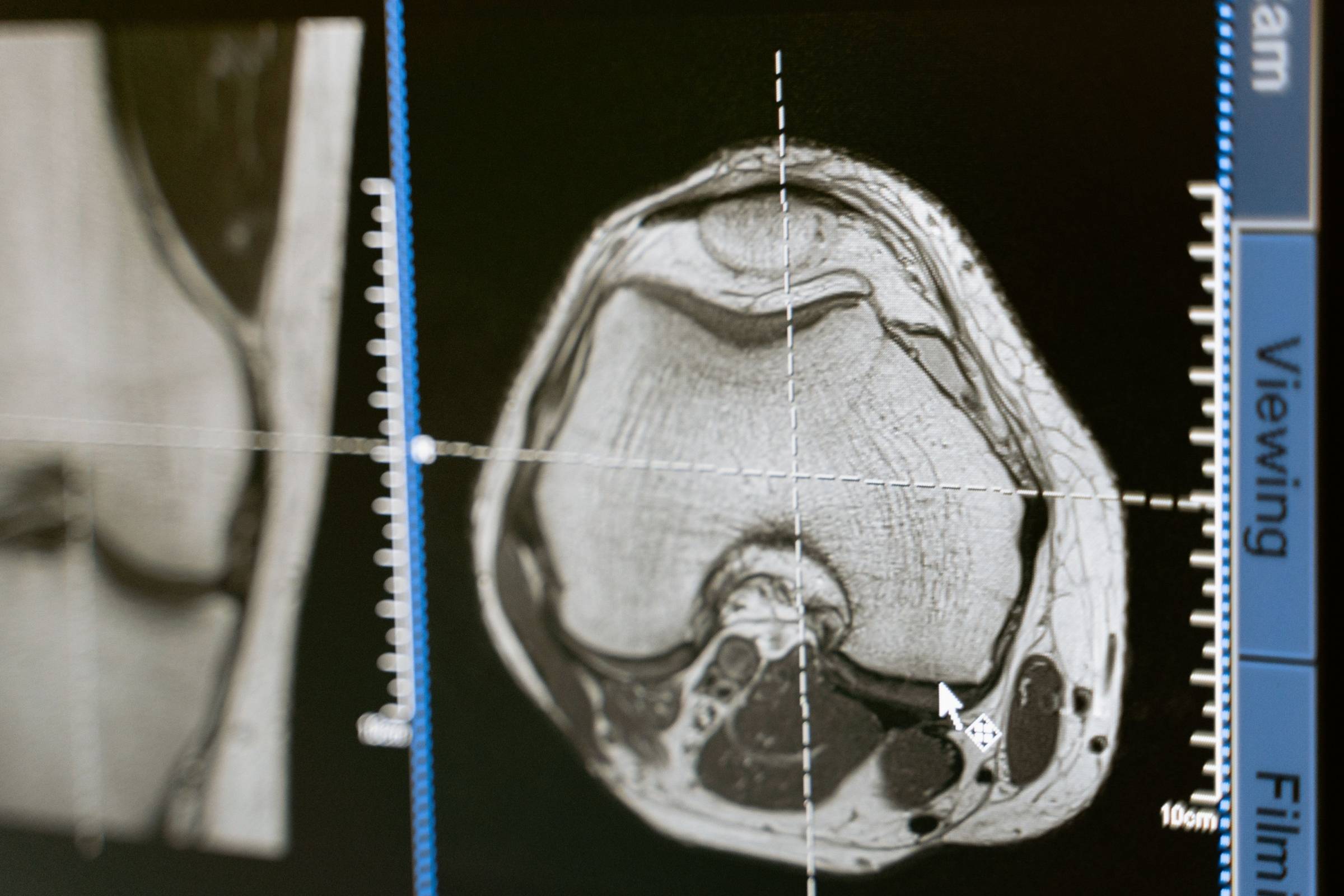
Scientists uncover unexpected method of bone regeneration, opening doors for osteoporosis treatment
Our bodies completely overhaul our bones every seven to 10 years, breaking down old or damaged bone tissue, and replacing it with new bone. Experts have long thought there were four processes through which bones regenerate. Now researchers from the University of Saskatchewan (USask) and the University of Southern Denmark (SDU) have discovered a fifth way that tissue rebuilds in specific parts of some of our bones. What they found, using the Canadian Light Source (CLS) at USask, deepens our understanding of bone health and could lead to new bone-strengthening treatments for osteoporosis.
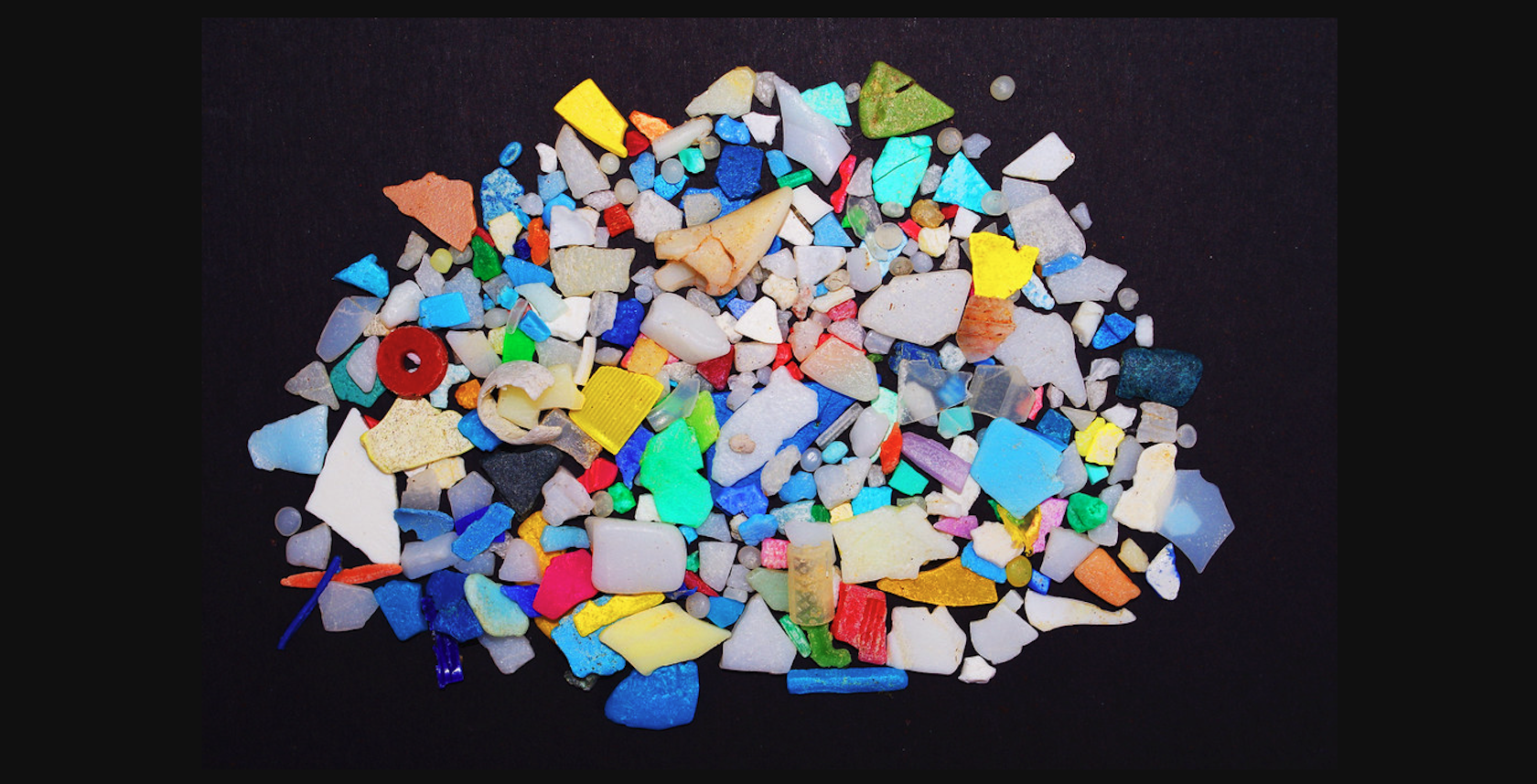
What Happens to Microplastics When Swallowed by Earthworms?
Globally, humanity now produces a staggering 450 million tonnes of plastic every year. From food and drink containers to cosmetics packaging, sewage pipes, window frames and polyester clothing, we use plastics in almost every area of life. And nearly one-quarter of them end up in the environment, where they very slowly degrade into microscopic pieces. These microplastics — particles between one micrometre and five millimetres wide — have been found in the deepest parts of the oceans, at the top of the tallest mountains, at the sparsely populated poles and even inside the human body.

Microplastics pass through earthworms without accumulating in body tissues, study shows
As much as 40 million tonnes of microplastics are released into the environment globally every year. These tiny pieces of plastic come from larger plastic items that break down or are shed by products such as clothing, paints, and cosmetics. Despite how widespread this waste has become, scientists still don’t fully understand whether the particles can move from the digestive system into other body tissues, where they could cause long-term harm. To explore that question, researchers used the Canadian Light Source (CLS) at the University of Saskatchewan to track how microplastics move through earthworms. Earthworms play a key role in improving soil structure and are considered a good indicator of what happens when living organisms ingest tiny plastic particles.

From pollution to solution: Optimizing CO2 conversion for a sustainable future
Carbon dioxide (CO₂) emissions are fueling climate change—causing extreme weather, rising sea levels, and harm to ecosystems. Researchers from the University of Toronto (U of T) have found a way to optimize a device that helps convert CO2 into a variety of useful products including ethanol, plastics, and even pharmaceuticals.
Non-Destructive Contamination Test
A newer, faster and more accurate approach may detect morphological changes associated with DON contamination in Fusarium-damaged wheat kernels. New research from the Crop Development Centre at the University of Saskatchewan indicates existing test methods can be improved. To develop this stronger, more objective test, PhD candidate Sheila Andrade used the Canadian Light Source synchrotron, an ultra-bright light that allows scientists to visualize the internal structure of materials with high resolution and precision. She also applied machine learning to use image-derived morphological parameters from Fusarium-infected kernels to predict the presence of the common mycotoxin DON, which primarily affects wheat.
Canadian-German research targets water buildup challenge in hydrogen fuel cells
Researchers in Canada and Germany say designing hydrogen fuel cells with gravity in mind could help address one of the technology’s key performance challenges, a finding that could influence future zero-emission powertrains for heavy-duty trucking. Hydrogen fuel cells are widely viewed as a potential alternative to battery-electric systems for long-haul applications because they offer high energy density, quick refueling times and lighter weight compared to large battery packs. The devices generate electricity through an electrochemical reaction combining hydrogen and oxygen.

Better fuel cells for long-haul trucks and planes
Hydrogen fuel cells are considered a promising zero-emission solution for heavy-duty, long-haul trucking and aviation because they offer high energy density, quick refueling times, and weigh significantly less than regular electric batteries. They make electricity by combining hydrogen and oxygen in an electrochemical reaction. A new study by scientists in Canada and Germany has found that designing fuel cells with gravity in mind can help address one of the major challenges facing this renewable energy option.
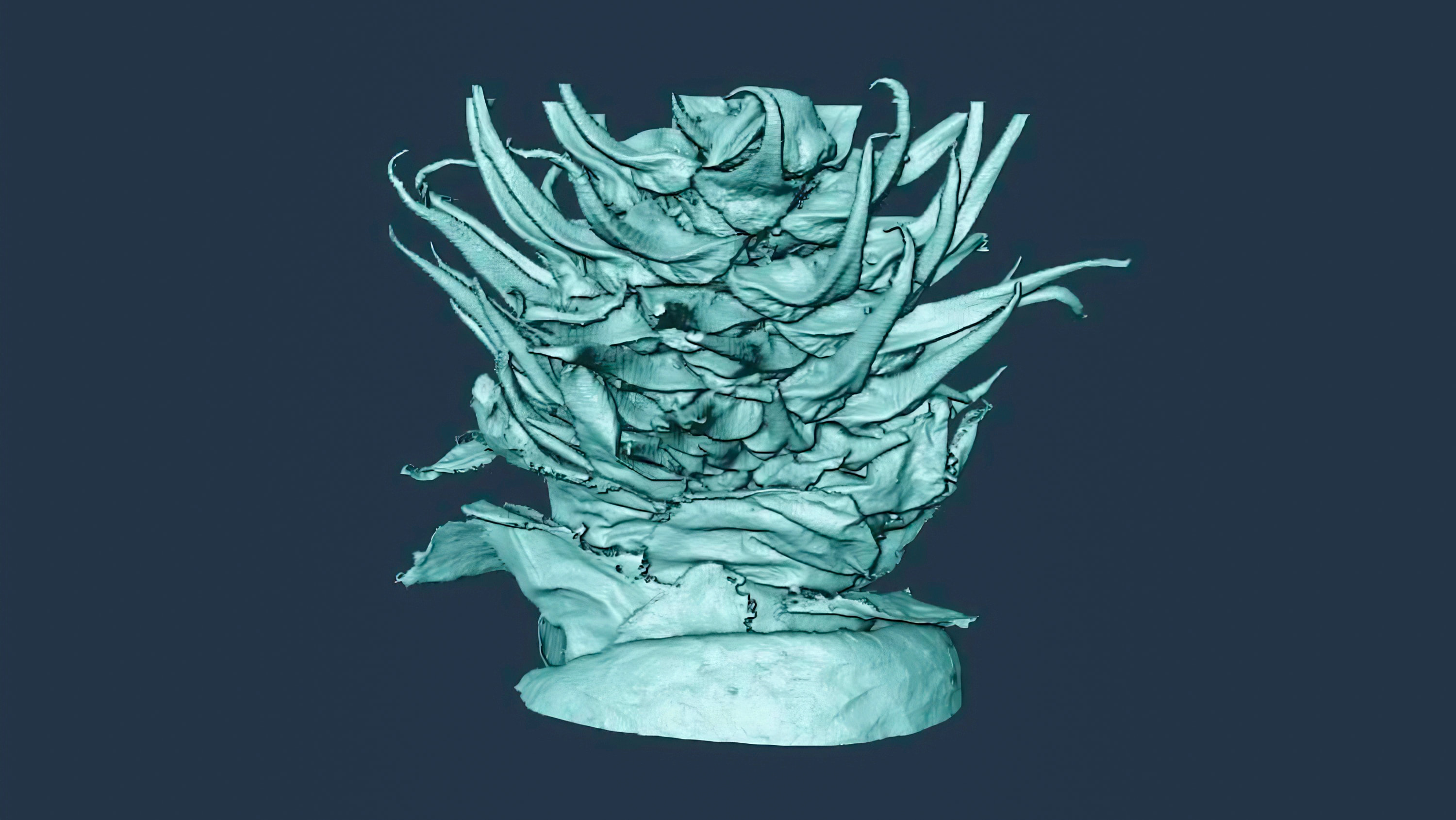
High-tech imaging could improve cultivation of trees essential to Alberta’s forestry industry
University of Alberta researchers have, for the first time, captured a much better view of what may be contributing to failures in lodgepole pine seed orchards — a tree essential to Alberta’s forest industry. The researchers used synchrotron microcomputed tomography, an advanced 3D imaging method usually used in medicine, in a pilot study to visually explore why some pollinated female pine cones, known as conelets, are healthy while others die long before they fully develop.

Unlocking even more value in Canada’s canola industry
USask researchers develop novel method for separating kernel from hull; advance could enable companies to make better use of all parts of canola seed.
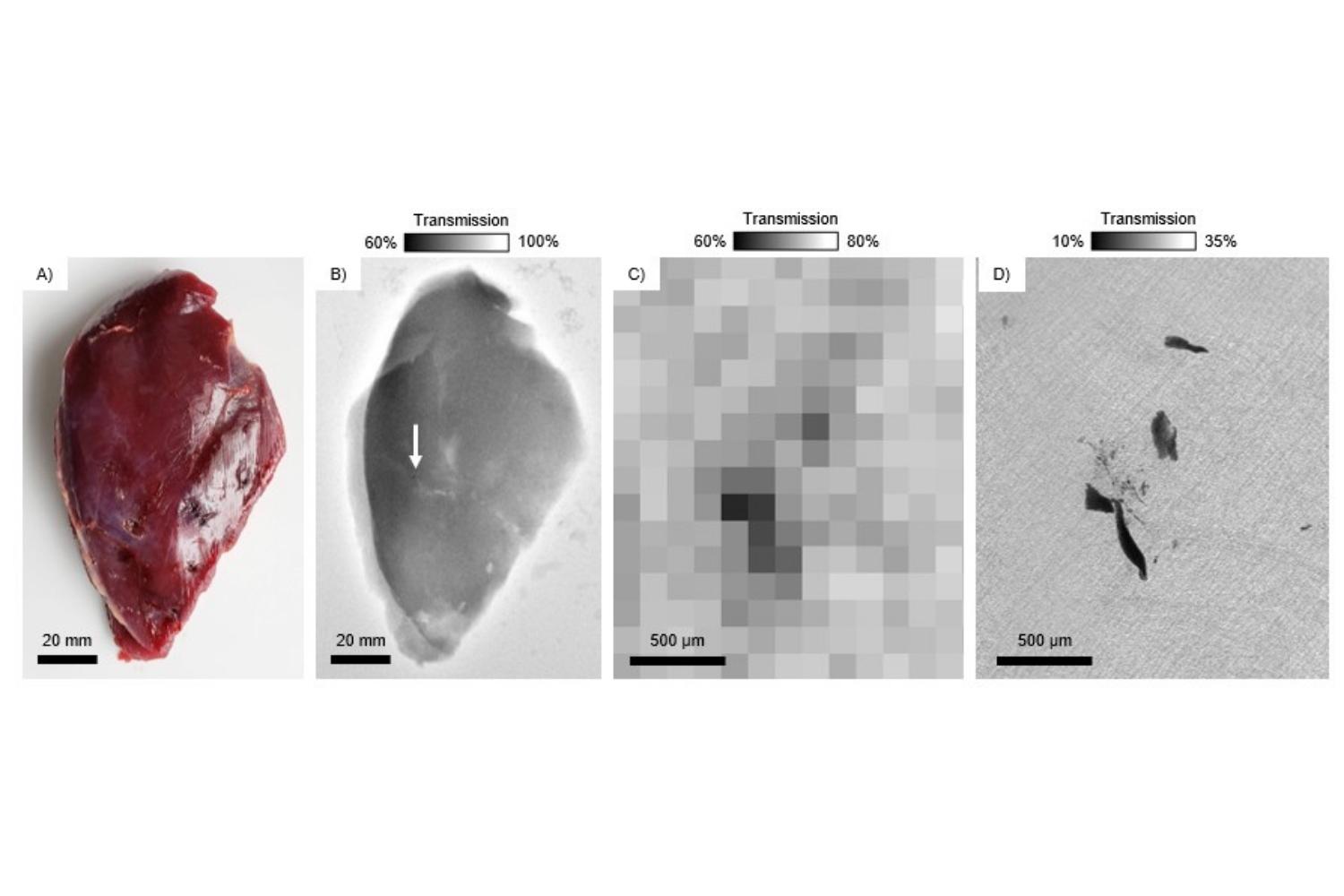
New research reveals tiny lead fragments in hunted meat pose health risk
Synchrotron X-rays show particles far tinier than previously shown and in concentrations exceeding levels set by human health agencies
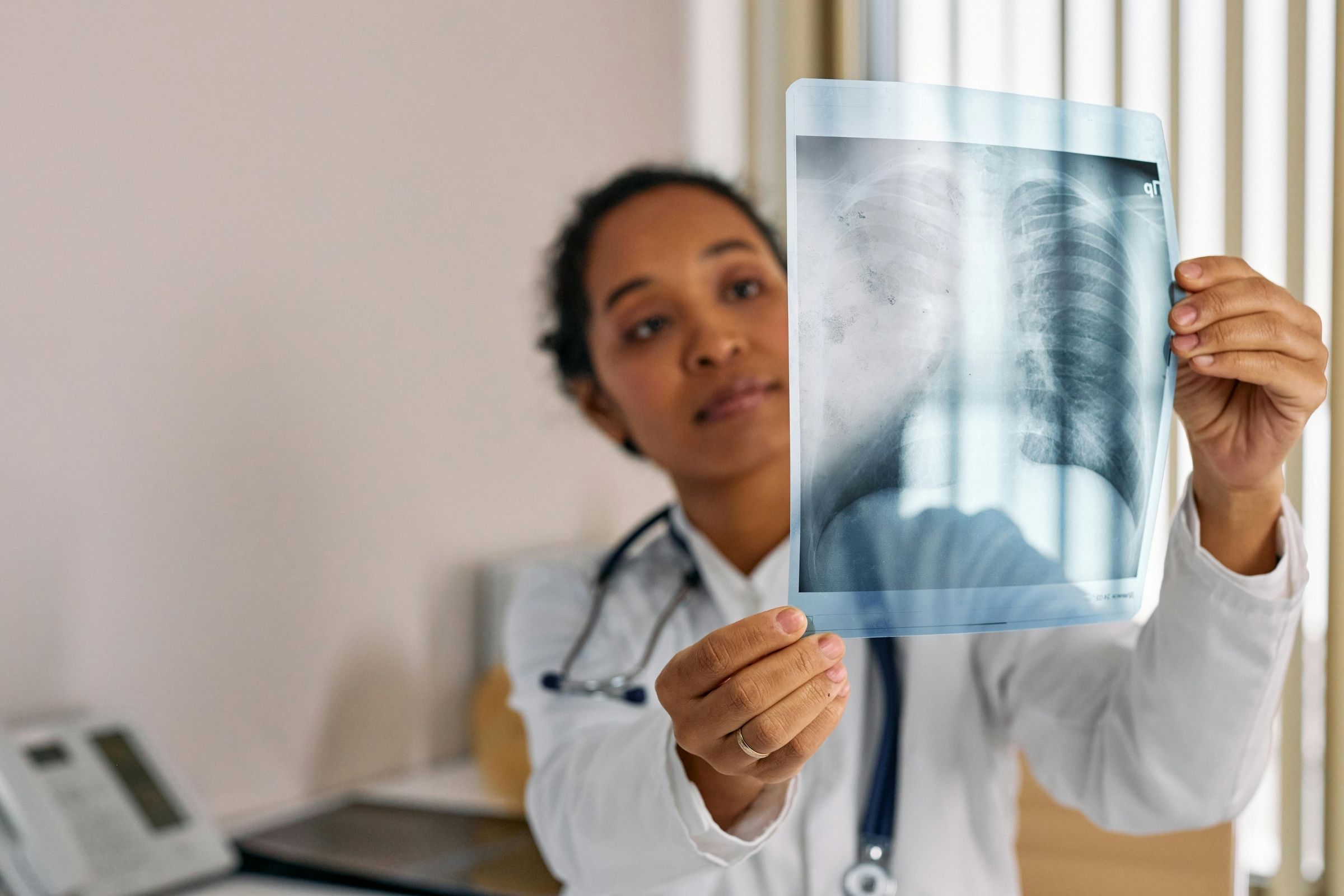
3D-printed lungs could improve disease prevention and treatment
Lung diseases like tuberculosis and cystic fibrosis can be difficult to treat. In part, that’s because the two-dimensional models researchers use to study the diseases don’t accurately reflect the shape of human lungs -- and animal models don’t behave like humans do when they encounter disease. University of Saskatchewan (USask) researchers from the Vaccine and Infectious Disease Organization (VIDO) and the College of Engineering are working to build a better model.

Could zebrafish hold clues to detecting, preventing scoliosis in children and teens?
Dr. Brian Ciruna had no intention of studying scoliosis, a condition that causes unnatural curvature of the spine. However, the unexpected discovery about a decade ago that zebrafish also develop curved spines left him wondering what was causing the spine to bend and whether there was some connection to the human form of the disease. It turns out that this small, minnow-like fish has a lot to tell researchers about a condition that affects three to four percent of children and young teens in Canada. Despite its prevalence, we know very little about the underlying causes of scoliosis in humans, says Ciruna, Senior Scientist and Head of the Developmental and Stem Cell Biology Program at the Hospital for Sick Children (SickKids) in Toronto and professor in the Department of Molecular Genetics at the University of Toronto. Zebrafish, it turns out, have human-like backbones, making them an excellent model for this research.
The BMIT facility at the Canadian Light Source is specifically designed to support a wide variety of programs in the life sciences, and provides outstanding possibilities for research, including potential clinical applications in imaging and radiation therapy. The facility has two beamlines; a bend magnet beamline, 05B1-1, and an insertion device beamline, 05ID-2. The BMIT advanced imaging modalities allow biomedical systems to be visualized in ways not possible using conventional clinical systems. These can provide insight into anatomy, function, visualization of disease processes including therapeutic response and the possibility of repeated imaging at low dose.
How To Access BMIT Beamlines
- New User? Register Here
- Learn about current BMIT capabilities HERE.
- Already Registered?
- Learn how to Submit a Proposal
- If you have an active proposal, Login to ammend the proposal, copy it for a new submission or create a new one.
- 05ID-2 (SOE-1) Status:
In Operation - 05B1-1 (POE-2) Status:
In Operation - Call for Proposals:
Closed - Storage Ring Status >>
- Research Highlights >>
Quicklinks
- Research and News
- Available Imaging Techniques
- BMIT eNews
- Learning About Synchrotron
- Grad Student Travel Support
- Storage Ring Status
- Sign-up for BMIT eNews
- Follow Us On Twitter
- Join Us on Facebook
- Follow Us On You Tube
List of Publications »
- Zhang, Hanyu; Zhu, Ning; He, Iris; Xia, Liuyin (2027). Enhancing bitumen froth quality with sodium citrate: Mechanistic insights from synchrotron-based micro CT imaging. Fuel 429, 141076. 10.1016/j.fuel.2026.141076.
- Ngew, Estee; Stobbs, Jarvis A.; Bessissow, Talat; George, Saji (2026). A modified synchrotron X-ray phase-contrast micro-CT workflow for non-destructive 3D imaging of intestinal biopsies. Talanta 309, 130019. 10.1016/j.talanta.2026.130019.
- Humbel, Mattia; Tanner, Christine; Deyhle, Hans; Girona Alarcón, Marta; Bausch, Britta et al. (2026). Analysis of Landmark-Based Coordinates for Mouse Intracerebroventricular Surgery Using In Vivo X-Ray Microtomography. IFMBE Proceedings , 411-426. 10.1007/978-3-032-37736-4_34.
Latest News »
- News: History, art and science join forces to unlock the mysteries of a 400-year-old book
- News: Tiny fossils reveal big insights about ant ancestors
- News: Boosting soybean protein: The essential role of zinc and sulfur in sustainable crop production
- News: Innovation Saskatchewan supports critical upgrade at Canadian Light Source
- BMIT eNews: BMIT eNews | Summer 2026